
← All guides 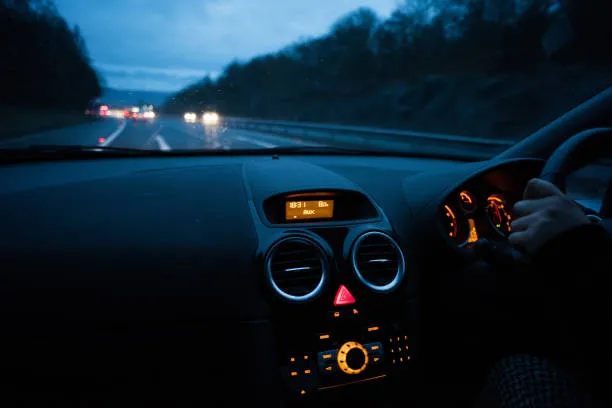
Conditions
Night driving
At Matz Driver Training, we want you to feel confident and safe behind the wheel, day or night.
Driving after dark brings unique challenges: reduced visibility, fatigue, and the risk of encountering hazards such as pedestrians, cyclists, or animals. With the right preparation and techniques, you can stay safe on the road at night.
Before you drive
- Check your vision: get your eyes tested regularly and wear glasses or contact lenses if needed.
- Clean your car: dirt and smudges increase glare, so keep your windscreen, mirrors, and windows spotless.
- Check your lights: make sure all headlights, indicators, and brake lights are working and clean.
- Adjust interior lighting: dim bright dashboard displays or cabin lights to reduce reflections and improve outside visibility.
On the road
- Use headlights correctly: switch on dipped headlights about an hour before sunset and keep them on until an hour after sunrise. Use full beam headlights on unlit roads, but dip them for oncoming traffic or when following another vehicle.
- Reduce your speed: night time driving makes hazards harder to spot, so slowing down gives you more time to react.
- Increase following distance: allow extra space between your vehicle and the one in front.
- Avoid glare: don’t stare at oncoming headlights; look slightly to the left or towards the road edge. Use your rear view mirror’s night mode (if fitted) to reduce glare from vehicles behind.
- Stay alert: keep your eyes moving and scan for hazards regularly, as other drivers may also be less cautious at night.
Managing fatigue
- Take breaks: plan regular stops on longer journeys to rest and refresh.
- Avoid driving tired: make sure you are well rested before setting off. Fatigue reduces concentration and reaction times.
Be aware of vulnerable road users
- Watch for pedestrians, cyclists, and animals: they are harder to see in the dark, particularly without reflective clothing or lights. Drive slowly and be prepared for them to appear suddenly.
Planning and experience
- Plan your journey: if you’re unfamiliar with the route, set up your navigation before you drive.
- Build confidence: if you’re new to driving at night, practise in familiar areas or consider professional training to improve your skills.
If you’ve got any questions about learning to drive, I’m always happy to help, even if you don’t train with me.
Get in touch