
← All guides 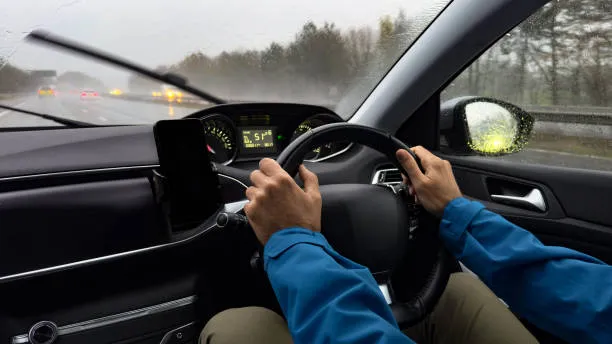
Skills
The 2 second rule
The 2 second rule is a technique used to maintain a safe following distance on the road by ensuring a minimum two second gap behind the vehicle in front of you, allowing time to react and stop safely if the driver ahead brakes suddenly. To use it, pick a fixed point (like a road sign), and after the car ahead passes it, start counting “one second, two seconds”. If you reach the fixed point before you finish counting, you are following too closely and should drop back. This gap should be doubled to at least four seconds in wet weather and increased further in other adverse conditions like snow or ice.
2 sec Minimum gap in normal conditions
4 sec Wet weather: at least double it
How to use the 2 second rule
- Identify a fixed object: look for a fixed point on the road, such as a road sign, a lamp post, or a road marking.
- Count after the leading vehicle passes: as the car in front passes that fixed point, start counting “one second, two seconds” at a normal rate.
- Assess the gap: if your vehicle reaches the same fixed point before you finish counting to two, you are following too closely.
- Adjust your distance: safely drop back to increase the gap to a safe distance.
Why it’s important
- Provides time to react: the two second gap gives you enough time to see a hazard and react to it, such as a vehicle braking suddenly.
- Increases safety: following too closely, also known as tailgating, significantly reduces your reaction time and increases the risk of an accident if the vehicle in front stops.
- Legal requirement: the rule helps you comply with the Highway Code, which mandates a safe following distance.
Adapting the rule for conditions
- Wet weather: double the gap to at least four seconds.
- Poor visibility or tunnels: increase the gap beyond the two second minimum.
- Icy conditions: increase the gap even further.
- Tiredness or poor vehicle condition: extend the gap to four seconds or more if you are tired, or if your car has poor tyres or brakes.
If you’ve got any questions about learning to drive, I’m always happy to help, even if you don’t train with me.
Get in touch